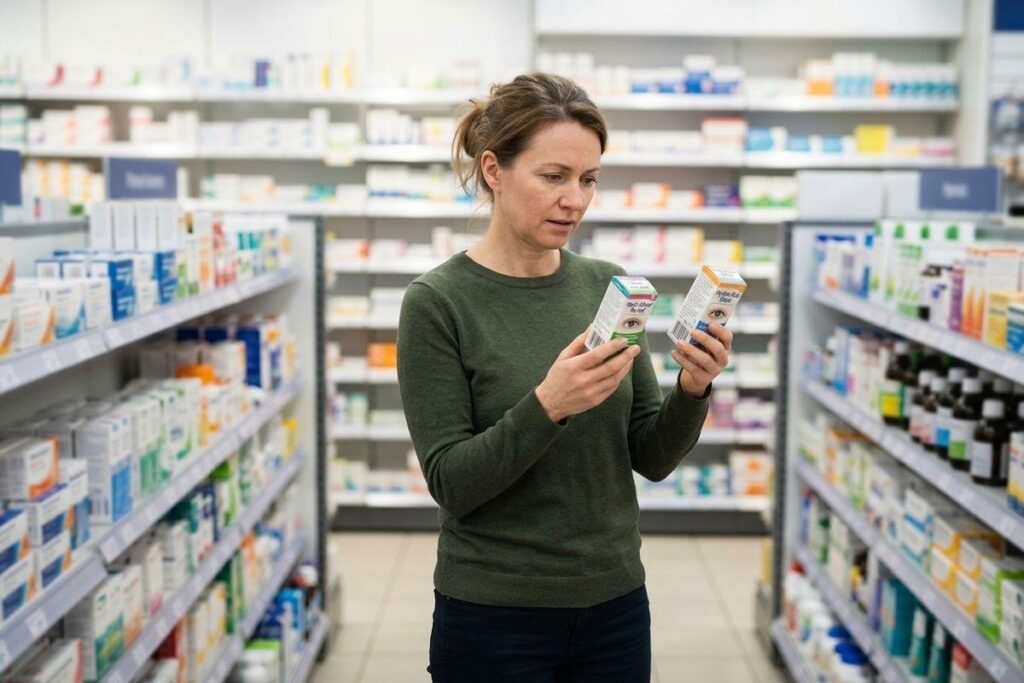
Plenty of people manage dry eye with over-the-counter drops, and it’s often where we suggest starting. Choosing a bottle is the tricky part. Most pharmacies carry dozens of options with similar names, and the packaging rarely explains how one differs from the next.
The right eye drop for dry eye depends on what’s causing your dryness and how often you need relief. If you wear contact lenses, your choices narrow a little more. And if drops never seem to do enough, dry eye therapy can give you other ways to manage your symptoms.
Why Your Eyes Feel Dry in the First Place
A thin film of tears coats your eyes and keeps them comfortable every time you blink. Dry eye develops when your eyes don’t make enough tears or when those tears evaporate too quickly.
Most people notice a gritty, burning feeling that builds as the afternoon goes on. Oddly enough, dry eye can also make your eyes water, since they may produce extra tears to soothe the irritation.
Quite a few things can dry out your eyes:
- Getting older
- Certain medications, including antihistamines and some antidepressants
- Long hours on a screen, which can make you blink less often
- Windy weather or dry indoor air
- Health conditions like rheumatoid arthritis or thyroid disease
Types of Eye Drops for Dry Eye
Over-the-counter dry eye products come in a few different forms.
Artificial Tears & Lubricating Drops
Artificial tears are the thin, watery drops most people picture when they hear “eye drops.” They can add moisture to your tear film, and you can use them throughout the day without much effect on your vision.
Formulas with oils or lipids can help if your tears evaporate quickly. That’s common with meibomian gland dysfunction, a condition where the tiny glands along your eyelids don’t release enough oil to protect your tears. Lighter, water-based formulas can add volume to your tear film, which may suit you better if your eyes don’t produce enough tears.
Gels & Ointments
Gels and ointments are thicker, so they stay on your eye longer than regular drops. They can also leave your vision blurry for a while after you put them in. That’s why many people use them before bed, when the extra lubrication can work overnight.
Some brands also make gel drops, which sit somewhere between a regular drop and a full gel. They could be a good fit if your daytime dryness comes back soon after you use regular drops.
Preserved vs. Preservative-Free Eye Drops
Most multi-dose bottles contain preservatives that stop bacteria from growing once you open them. Preserved drops can work well if you only need them now and then, especially newer formulas with gentler preservatives.
If you use drops more than 4 to 6 times a day, choose preservative-free drops. With frequent use, preservatives can irritate the surface of your eye and may worsen dryness. Preservative-free drops usually come in single-use vials, though some brands now sell multi-dose bottles with tips that keep bacteria out. The vials can cost a bit more, and they can be fiddly to open if your hands are stiff.
How to Choose the Right Eye Drops for Dry Eye
Start by matching the drop to the time of day your eyes feel worst. A thin artificial tear can ease daytime dryness without blurring your vision. If you wake up with dry, sticky eyes, it may be time to add a gel or ointment at bedtime.
Expect to try a few brands before you find one that feels right. Your eyes will usually let you know fairly quickly whether a drop is helping. Check the expiry date too, and toss any bottle that’s been open longer than the label recommends.
What About Systane Versus Refresh?
We often hear questions about Systane versus Refresh. Both brands make light daytime drops alongside thicker overnight formulas, so the ingredients and preservative status matter more than the name on the box.
Eye Drops to Avoid with Dry Eye
Redness relief drops can seem like a quick fix when your eyes look irritated. These drops shrink the blood vessels on the surface of your eye, and the redness can come back worse once they wear off. Since they add no moisture, the dryness underneath stays put.
Eye Drops for Contact Lens Wearers
Many dry eye drops aren’t meant for use with your lenses in, so a few extra habits can help:
- Choose rewetting drops labelled safe for contact lenses
- Take your lenses out before using any other kind of drop
- Wait as long as the label directs before putting your lenses back in
- Keep up with good lens hygiene, since deposits on your lenses can add to dryness
If your lenses still feel dry by mid-afternoon, a different lens type or replacement schedule could make a difference.
When to See an Optometrist About Dry Eye
Eye drops can ease dry eye symptoms for a while, but they won’t treat the underlying cause. Book a visit with your optometrist if you notice any of these:
- Redness that doesn’t go away
- Eye pain
- Sensitivity to light
- Discharge from your eye
- Little or no relief after trying several different drops
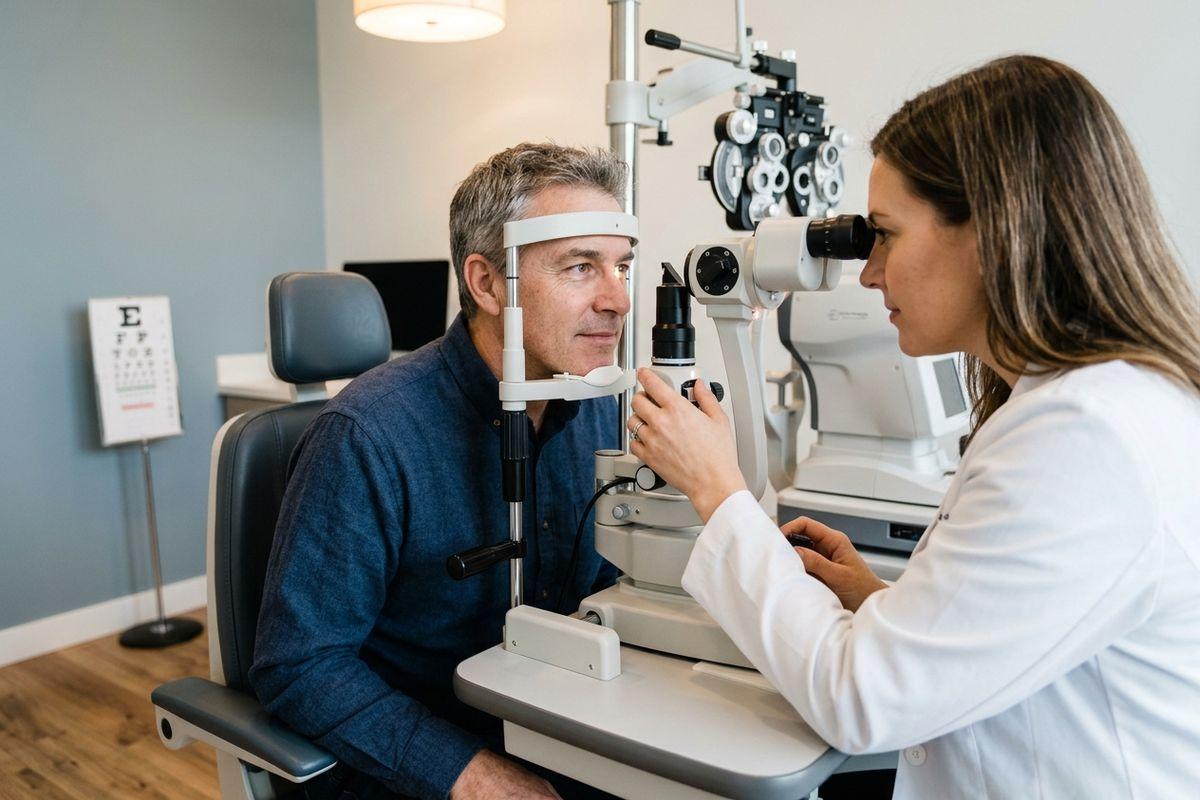
During an eye exam, your optometrist can look closely at your tear film and the oil glands in your eyelids. That can show which type of dry eye you have, so we can recommend specific drops or other treatments.
Get Help Finding the Right Dry Eye Drops
Choosing an eye drop for dry eye gets a lot easier once you know what’s behind your symptoms. Our team at Doctors EyeCare Grande Prairie regularly helps patients manage dry eye, and we can assess your eyes and recommend a routine that fits your day.
Book an appointment and let’s talk about what your eyes need.