

Maybe your vision seems a little blurry, maybe you’re getting more headaches than usual, or maybe you just can’t remember the last time you had your eyes checked. The first step is clear, but the next one, finding the right place to go, can feel a bit confusing.
You have a few different options when it comes to eye care, from retail chains to local clinics. At a practice like Doctors EyeCare Grande Prairie, our focus is on your overall eye health. The right choice for you often depends on your needs, but a private optometry clinic can offer comprehensive, personalized care that supports your long-term eye health.
Your Options for Eye Care & Exams
Private Optometry Clinics
These clinics offer a full range of eye health services, from standard vision tests to the management of eye conditions. Visiting a private practice allows you to build a relationship with your doctor, who gets to know your personal health history. This leads to personalized care.
Retail or Optical Stores
You often find these stores in shopping centres and other convenient locations. They typically have an optometrist on-site who can perform eye exams. Their main focus is usually on fitting you for glasses and contact lenses, making them a quick option for updating a prescription.
Hospitals or Public Health Clinics
In most cases, you would visit a hospital for specialized or urgent eye care. This path may require a referral from another health professional. Hospitals are equipped to handle more complex eye health situations that go beyond a routine check-up.
The Benefits of a Local Optometrist
Build a Long-Term Relationship
When you visit the same local clinic for your eye care, you receive consistent attention from a team that knows you. They keep a detailed record of your eye health history, which helps them notice small changes over time. Many people feel more comfortable and confident when they work with familiar eye doctors in Grande Prairie.
Comprehensive Eye Health Management
A comprehensive eye exam is much more than a simple vision test. Your optometrist checks the overall health of your eyes, which can reveal signs of other health issues. They also help you manage ongoing conditions like dry eye, glaucoma, and cataracts.
Support for Your Community
Choosing a local health provider is an investment in your own community. It helps keep important services close to home, making it simple for you and your neighbours to get follow-up appointments and ongoing care without a long drive.
What Happens at a Comprehensive Eye Exam
Your Health & Vision History
An exam starts with a conversation. You can discuss any concerns you have, whether it’s blurry vision, digital eye strain, or anything else. Your doctor will also ask about your general health, lifestyle, and any medications you take, as these can all affect your eyes.
Vision & Prescription Tests
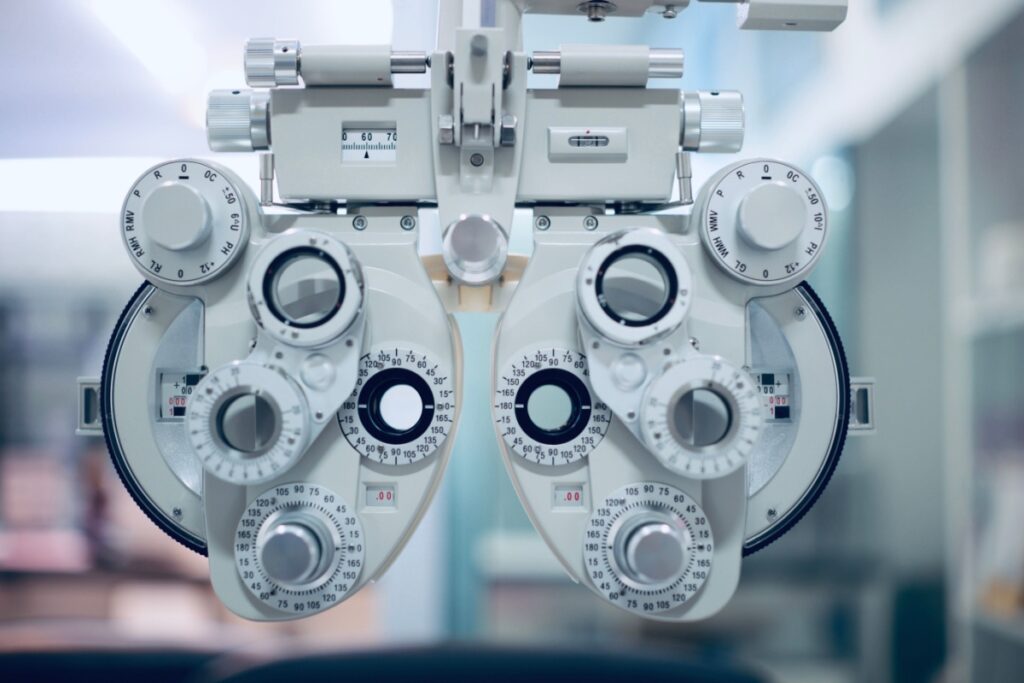
This is the part of the exam you’re likely most familiar with. You’ll read letters from an eye chart to test your visual sharpness. Then, you’ll look through a series of lenses to determine the prescription that gives you the clearest vision. Your doctor will also check how well your eyes work together as a team.
Key Eye Health Checks
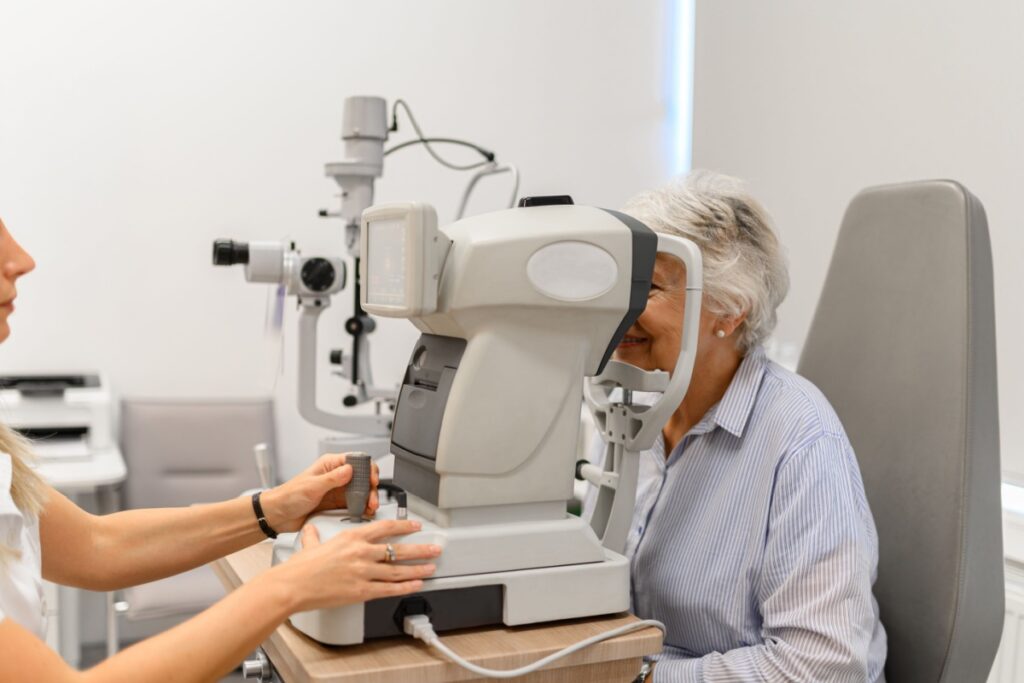
Your optometrist will look at the structures inside your eye, like the retina and optic nerve. Sometimes, this may involve a dilated eye exam so the doctor can get a clear view of the back of your eye. You might also have a quick and simple “puff-of-air” test, which measures the pressure inside your eye.
How Often Should You Get Your Eyes Checked
Children & Teenagers
A child should have their first eye exam before they start school. Good vision is important for learning and development, as so much of what a child learns is visual. After starting school, children and teenagers should have yearly eye exams.
Adults Ages 19 to 64
For most adults in this age group, an eye exam every two years is a good guideline. If you have certain health conditions, like diabetes, or a family history of eye disease, your eye doctor may recommend more frequent visits.
Adults Ages 65+
An annual eye exam is recommended once you are over 65. This allows your optometrist to monitor for age-related eye conditions, such as macular degeneration or cataracts. Early detection can make a significant difference in managing these conditions.
Understand the Cost & Value of Your Exam
Factors That Affect the Price
The cost of an eye exam can vary. It often depends on the type of clinic you visit and the tests that they perform to check on your eye health. You can often find answers to frequently asked questions about exams before your visit.
Check Your Insurance or Health Plan
Before your appointment, it’s a good idea to check what your personal or workplace health plan covers. You can also learn more about what the Alberta Health Care covers online. Ask your clinic if they offer direct billing to your insurance provider to simplify the payment process.
An Investment in Your Health
Think of your eye exam as an investment in your overall well-being. Regular check-ups do more than just update your prescription; they help protect your vision by catching potential problems early. This provides valuable peace of mind about your health. If you’re looking for friendly and knowledgeable eye doctors in Grande Prairie, the team at Doctors EyeCare Grande Prairie is here to help. Contact them today to schedule an appointment for you or your family.